
Monday, December 22, 2025
Calgary homeowners know the challenges of living in a city with extreme weather swings. Winters can drop to -30°C, pushing heating bills sky-high, while summer hailstorms and heat waves add stress to older homes. Energy costs are rising, and with Canada’s commitment to net-zero emissions by 2050, making your home more efficient isn’t optional—it’s a necessity. Green renovations, from upgrading insulation to installing heat pumps or solar panels, can reduce energy use by 20-50%, lower monthly bills, improve comfort, and even increase your home’s market value by 5-10%.
The good news? Programs from the Canada Mortgage and Housing Corporation (CMHC) make these upgrades more affordable by refunding up to 25% of your mortgage loan insurance premium—potentially saving thousands. If your mortgage is CMHC-insured (typical for down payments under 20%), CMHC Eco Improvement rewards renovations, while Eco Plus supports efficient new builds or major overhauls. These can combine with Calgary’s Clean Energy Improvement Program (CEIP), which finances projects through property taxes and may offer rebates when it reopens in 2026.
As of December 2025, federal programs like the Canada Greener Homes Grant and Loan have ended for new applicants, shifting focus to CMHC’s ongoing incentives. This detailed guide covers everything you need for 2026: program overviews, eligibility, best upgrades for Calgary’s climate, step-by-step applications, stacking strategies, real savings calculations, common mistakes, and pro tips. Whether updating a post-war bungalow in Highland Park or a condo in downtown Calgary, these tools help you save money while going green.
Understanding CMHC’s Green Incentives: Eco Plus and Eco Improvement
CMHC insures mortgages to help Canadians buy homes with smaller down payments, charging a premium added to your loan. Their “Eco” programs refund part of that premium for energy efficiency, encouraging sustainable choices.
CMHC Eco Plus: Rewards for Efficient New or Major Builds
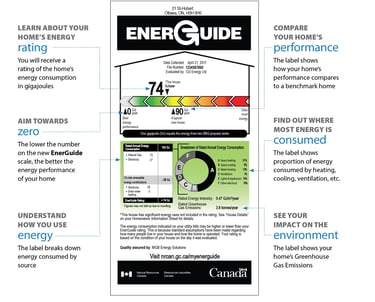
Launched with updates in July 2025, Eco Plus offers a 25% premium refund for newly built homes (or purchases with major upgrades) meeting strict efficiency standards. Qualifying requires an energy efficiency certificate, EnerGuide rating, or recognized labels like ENERGY STAR or net-zero ready.
It’s ideal for buying a new efficient home or building one. For existing homes with big renos, it can apply if upgrades achieve the standards. In 2026, criteria will emphasize GHG reductions alongside energy use. Savings example: On a $15,000 premium, get $3,750 back.
CMHC Eco Improvement: Focused on Renovating Existing Homes
This program targets retrofits on current properties. Spend at least $20,000 on qualifying energy upgrades, and claim a 25% refund. Categories include building envelope (insulation, windows), mechanical systems (heating/cooling), and renewables (solar).
You have two years from mortgage closing to complete work and apply. Proof comes from invoices; EnerGuide audits are optional but helpful for planning. Processing can take 24+ weeks, so start early. This is the go-to for most Calgary homeowners fixing older homes.
Both programs support Canada’s climate strategy, making low-carbon housing accessible. Unlike the closed Greener Homes Grant/Loan (no new apps after 2025), CMHC incentives tie directly to insured mortgages and remain available.
Why they matter in Calgary: Older stock (many homes pre-1980) leaks heat, driving high bills. These refunds offset costs, with ROI from savings in 5-10 years.
Eligibility Requirements for Calgary Homeowners in 2026
Rules are clear but strict—meet them to avoid denial.
- CMHC-Insured Mortgage: Essential. Applies if down payment <20% or amortized >25 years. Confirm with lender; refinance if needed.
- For Eco Improvement: Minimum $20,000 spent on eligible upgrades. Complete within 2 years of closing. Own and occupy (or rent out if insured).
- For Eco Plus: Home must have certificate/rating post-build/upgrade.
No income caps, but property value limits apply (under $1-1.5M typically). Calgary specifics: Flood/hail resilience can tie in if upgrades improve efficiency (e.g., sealed basements).
If not CMHC-insured, check private insurers like Canada Guaranty for similar rebates. Indigenous or northern programs add layers, but CMHC is broad.
Mistake to avoid: Assuming all mortgages qualify—verify early.
Top Qualifying Green Renovations for Maximum Refunds
Choose upgrades with big impact for Calgary’s climate—cold drives 70% of energy use.
Building Envelope: Seal and Insulate
- Attic/Wall/Basement Insulation — Upgrade to R-50+ attic, spray foam walls. Saves 20-30%; cost $3,000-10,000.
- Windows/Doors/Skylights — Triple-pane, low-E, ENERGY STAR. Reduces heat loss 25%; hail-resistant options qualify.
- Air Sealing/Roofing — Caulk drafts, add ventilation. Essential for wind/chinooks.
Mechanical Systems: Efficient Heating and Cooling
- Heat Pumps — Air/ground-source replace furnaces. Work to -30°C; 50% savings. Cost $8,000-20,000.
- Furnaces/Boilers — 96%+ efficiency with ECM motors.
- HRV/ERV Ventilation — Recovers heat, improves air quality.
Renewables and Other
- Solar PV — Panels with inverters; net metering credits bills.
- Solar Hot Water/Geothermal — Long-term savings.
- Smart Thermostats/Water Heaters — Tankless or heat pump models.
Audit first—NRCan EnerGuide ($300-600) prioritizes. Bundle for synergy: Insulation + windows + heat pump maximizes refund and efficiency.

Step-by-Step Application Process
Detailed to avoid delays.
- Verify and Plan: Confirm insurance, budget $20,000+.
- Pre-Retrofit Audit (Recommended): Book NRCan advisor for baseline.
- Execute Upgrades: Use qualified contractors; keep detailed invoices.
- Post-Retrofit Audit: Show improvements.
- Compile Docs: Invoices, audits, mortgage info.
- Submit: Online/mail/fax to CMHC within 2 years. Email eemrefund@cmhc-schl.gc.ca.
- Approval and Refund: 24+ weeks; direct cheque.
Track via portal if available. Digital records speed things.
Stacking with Calgary and Alberta Programs
Combine for bigger savings.
- CEIP Residential: At capacity end-2025, expected reopen early 2026. Finances 100% via taxes (3.75% interest 2025), up to 10% rebate. Same upgrades qualify—use for upfront, CMHC for refund.
- Commercial CEIP: Launches 2026 for businesses.
- Other: Provincial low-income aids or utility rebates (FortisBC/Enbridge).
Strategy: CEIP loan + CMHC refund = lower net cost.
Real Savings Examples and ROI
Case 1: $40,000 reno (insulation $10K, windows $15K, heat pump $15K). Premium $12,000—refund $3,000. Bills drop $1,800/year; ROI ~8 years, plus comfort.
Case 2: $60,000 with solar. Refund $4,000 on $16,000 premium. Savings $3,000/year; value up $30K+.
Long-term: Lower insurance, faster sale.
Common Mistakes and Pro Tips for 2026
Avoid: Starting without plan, poor docs, missing deadline.
Tips:
- Hire NRCan-registered pros.
- Document thoroughly.
- Bundle upgrades.
- Monitor cmhc.ca for changes.
- Consider resilience (hail-proof windows).
- Explore private insurer rebates.
These make green renos rewarding.
Planning a project? Experienced local teams can navigate incentives seamlessly. Good Earth Builders, with over 23 years in Calgary and 846 completed projects, specializes in energy-efficient renovations and sustainable infills, plus a commitment to plant 10 trees per job. Reach out for a free consultation to maximize your savings.