Monday, January 05, 2026
Calgary’s commercial real estate market is experiencing a significant evolution as we move through 2026, largely influenced by the widespread adoption of hybrid work models. The shift began during the pandemic when remote work became the norm, but post-2025 trends show a clear move toward balanced hybrid arrangements. Companies are encouraging employees to return to the office for a few days each week, focusing on collaboration, while allowing remote work for individual tasks. This “hybrid sweet spot” is reshaping how commercial buildings are designed, built, and used in Calgary.
Office vacancy rates, which peaked at 27-30% in 2025 due to remote work and economic factors, are starting to decline. Reports from firms like CBRE describe 2026 as a potential “rebound year,” with positive absorption in premium spaces and growing demand for modern, adaptable offices. Coworking spaces are expanding rapidly, particularly in downtown and suburban areas, offering flexible alternatives to traditional leases. Sustainability and technology are also key, as businesses seek spaces that support employee well-being and efficient virtual collaboration.
In this detailed guide, we’ll explore the post-2025 landscape for hybrid work in Calgary, key design trends for 2026 commercial projects, the integration of technology and sustainability, major market drivers like return-to-office policies, real examples from local companies and buildings, common challenges with solutions, and the long-term outlook. Whether you’re a business leader planning an office fit-out, a developer building new commercial space, or a landlord retrofitting properties, these trends provide valuable insights into creating workspaces that attract talent, boost productivity, and stand out in a competitive market.
The Evolution of Hybrid Work in Calgary: Post-2025 Recovery
Hybrid work has become the standard rather than the exception in Calgary by 2026. What started as a temporary response to lockdowns has matured into structured policies that blend the best of remote and in-office experiences. Many companies now use “anchor days”—specific weekdays for team gatherings—while leaving other days flexible for remote work. This approach addresses the drawbacks of full remote setups, such as reduced spontaneous interactions and challenges in mentoring new employees, while retaining benefits like better work-life balance and reduced commutes.
In Calgary, the energy sector has been a bellwether. Major players have shifted from strict full-time returns to hybrid models, recognizing that flexibility helps attract and retain talent in a competitive market. Tech and professional services firms, growing through diversification, often lean more heavily on hybrid to accommodate distributed teams. Surveys from 2025 indicate that around 60-70% of Calgary’s knowledge workers prefer hybrid arrangements, citing higher productivity and satisfaction.
The office market reflects this recovery. After peaking vacancy in 2025, rates are trending downward, with positive net absorption reported in premium buildings. Suburban offices are performing strongly, with lower vacancies than downtown in some cases, as employees seek shorter commutes. Coworking has boomed, with new venues opening to serve hybrid workers needing occasional professional spaces without long-term commitments.
This evolution means commercial buildings must adapt. The focus is on creating “destination offices”—places people want to visit for collaboration and culture, rather than mandatory daily drudgery. As a result, hybrid designs emphasize quality over quantity, with fewer desks but more versatile areas.
Key Design Trends Shaping Hybrid Workspaces in 2026 Calgary Projects
Commercial projects in Calgary are embracing designs that support fluctuating occupancy and diverse work styles. These trends make offices more appealing in a hybrid world.
Flexible and Modular Layouts
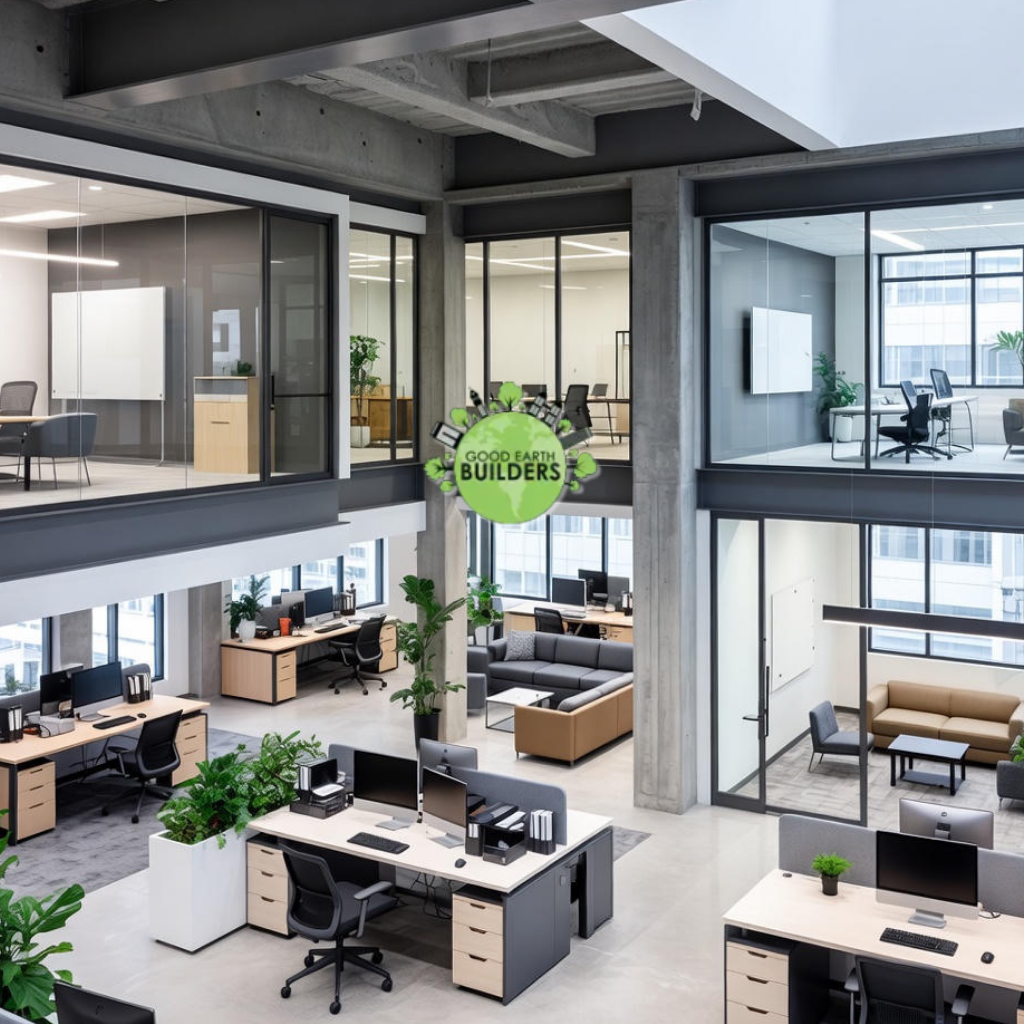
Rigidity is out; adaptability is in. Movable walls, reconfigurable furniture, and modular systems allow spaces to change based on needs—one day a large open area for events, the next divided into quiet zones or meeting rooms. Hot-desking (unassigned seats bookable via apps) and hoteling reduce the need for personal desks, optimizing space for lower average attendance.
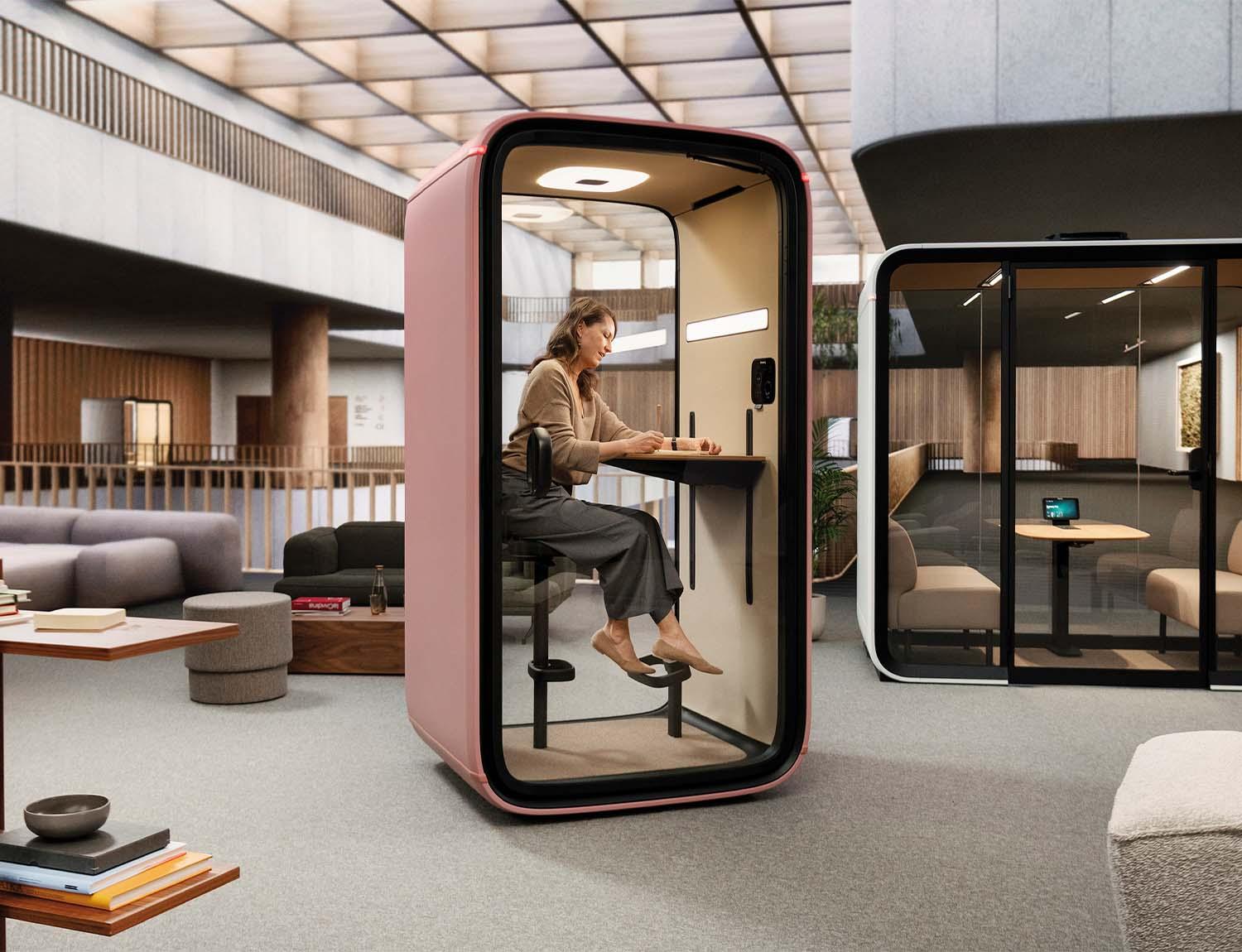

“Neighborhood” concepts group areas by activity: focus booths for calls, lounges for casual chats, and formal conference rooms. This zoning accommodates hybrid schedules, ensuring the office feels vibrant even on quieter days.
Enhanced Collaboration Zones
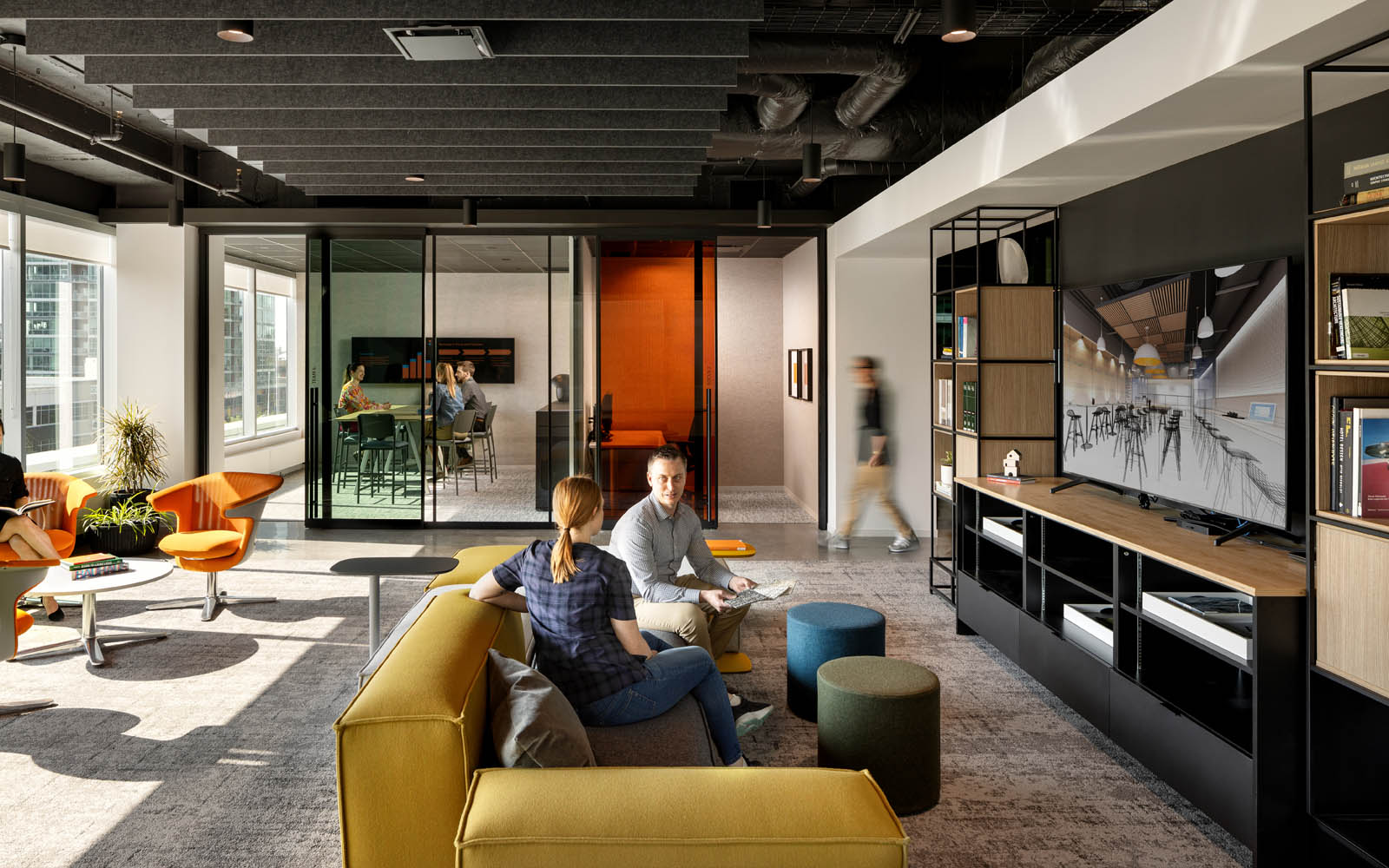
With office time reserved for teamwork, designs prioritize shared hubs. Comfortable seating, writable walls, and interactive tech encourage idea-sharing. Acoustic pods provide privacy for virtual meetings, bridging in-person and remote participants.
In Calgary’s projects, these zones often feature local touches, like views of the Rockies or artwork reflecting Alberta’s heritage, fostering a sense of place.
Wellness and Biophilic Integration
Post-pandemic, well-being is non-negotiable. Biophilic design—incorporating plants, natural light, and organic materials—reduces stress and boosts focus. Green walls, indoor gardens, and outdoor terraces are common, especially in Calgary where long winters make natural elements valuable.
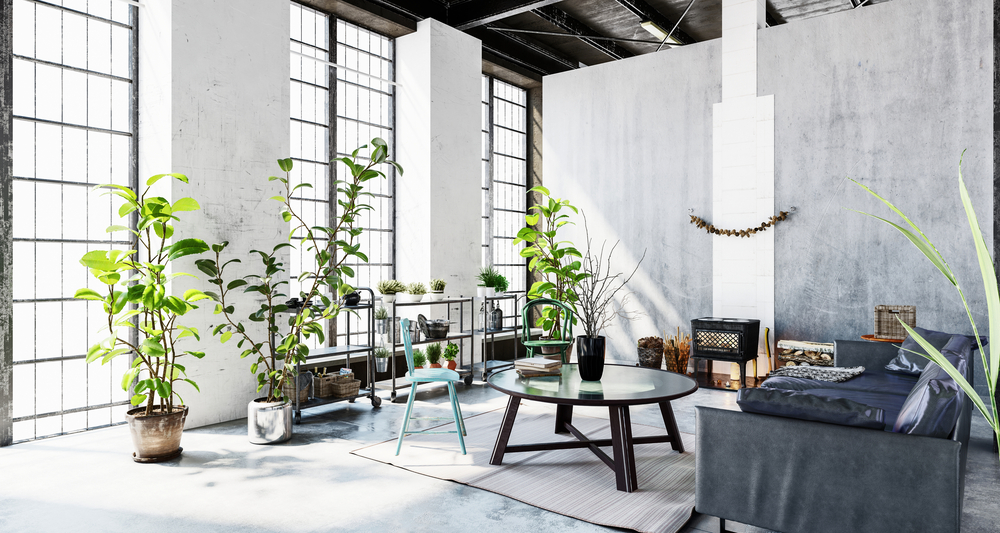

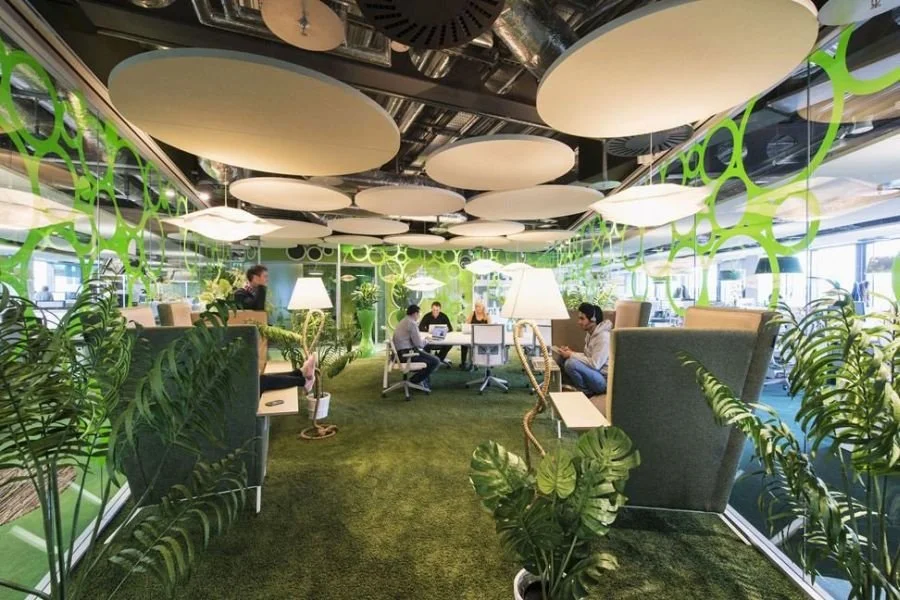
Fitness areas, quiet rooms, and ergonomic furniture address physical health. Circadian lighting mimics daylight, helping with seasonal affective challenges.
Reduced Density with Multifunctional Spaces
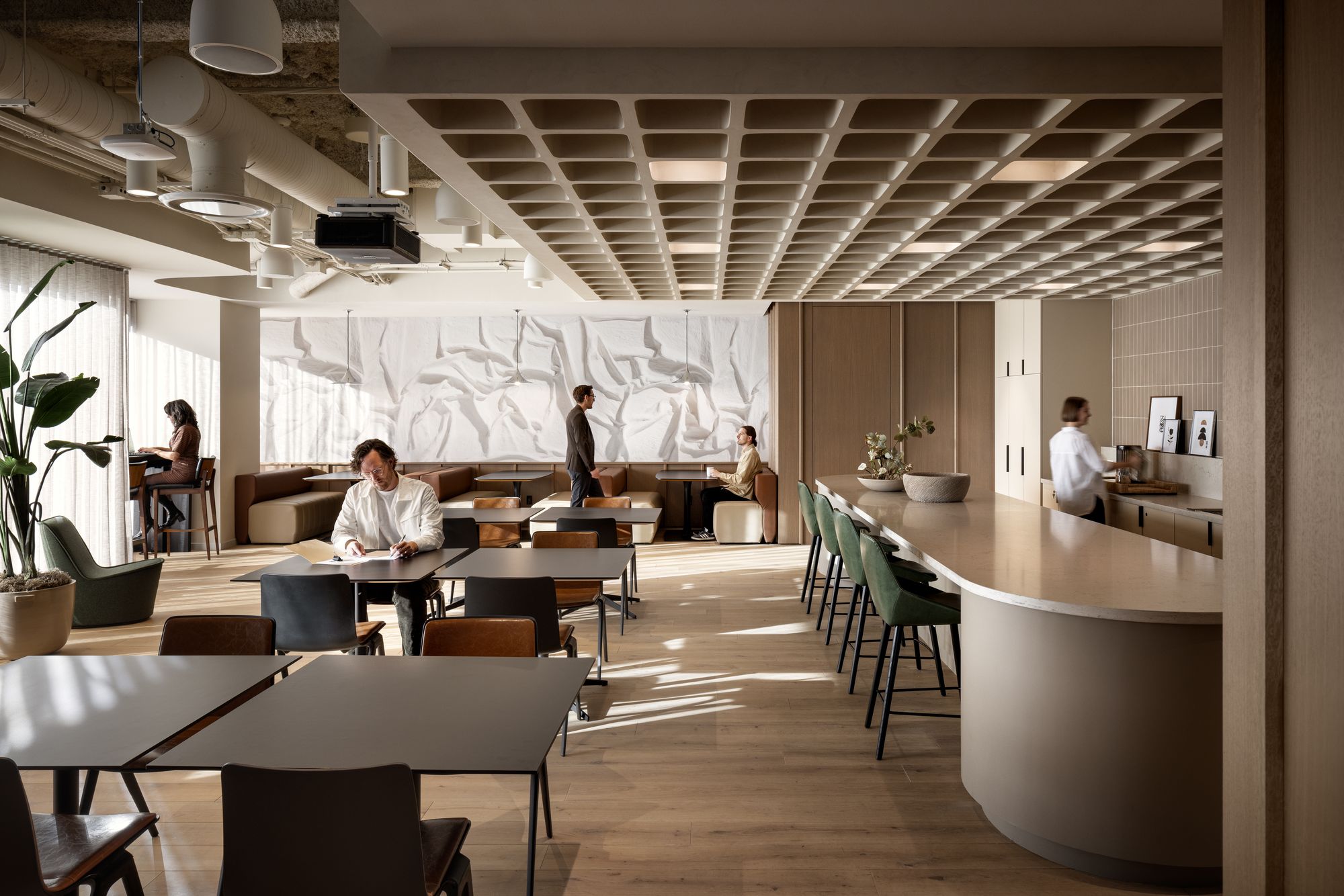
Average office density has dropped, freeing room for amenities. Cafes double as event spaces, lobbies as coworking areas. This efficiency lowers costs while enhancing experience.
These trends appear in new developments and retrofits, with premium “flight to quality” buildings leasing fastest.
Integrating Technology and Sustainability in Hybrid Designs
Technology and sustainability are intertwined in 2026 hybrid workspaces.
Tech enables inclusion: High-end AV systems with 360 cameras and auto-framing ensure remote participants feel equal. Booking apps, digital signage, and IoT sensors manage space dynamically—adjusting lights or HVAC based on occupancy.
In Calgary, where energy costs matter, smart systems cut usage 20-30%. Wireless charging and robust Wi-Fi support seamless work.
Sustainability is rising: LEED or WELL certifications are common, using recycled materials, efficient systems, and renewable energy. Green roofs aid insulation and stormwater. These features meet ESG goals and appeal to talent prioritizing eco-conscious employers.
Hybrid’s lower density naturally aids sustainability—fewer people mean less energy per day.
Market Drivers: Return-to-Office Policies and Flexible Demand
Hybrid trends are propelled by several forces.
Return-to-office pushes vary: Some firms mandate more days for culture, others keep flexibility for retention. Structured hybrids dominate.
Coworking surges: Growth in suburban and downtown spots offers on-demand options.
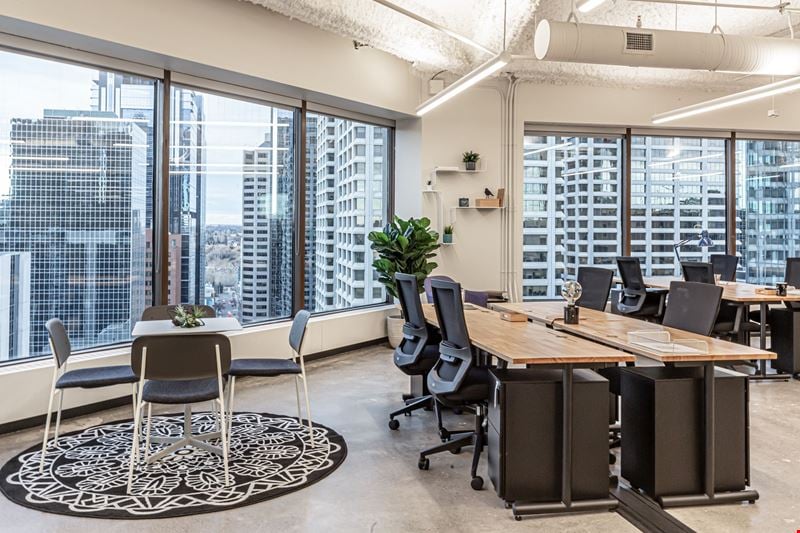


Economic diversification: Tech and renewables drive leasing.
Flight to quality: Modern hybrid spaces outperform outdated ones.
Real-World Examples of Hybrid Workspaces in Calgary
Local projects bring trends to life.
Boston Consulting Group’s office (designed by HOK) features open collaboration, wellness zones, and advanced tech for hybrid teams.
Miller Thomson and Kasian Architecture’s spaces use modular furniture and biophilic elements for adaptable, calming environments.
Coworking venues in the Beltline provide bookable pods and events for flexible workers.
Mixed-use in East Village combines offices with living spaces for hybrid lifestyles.
Challenges and Solutions for Hybrid Commercial Builds
Challenges include costs for retrofits, ensuring equitable experiences, and measuring utilization.
Solutions: Phased implementations, user feedback, data analytics.
In Calgary, older buildings benefit from conversions or targeted upgrades.
Outlook: Hybrid Workspaces in Calgary Beyond 2026
Hybrid will deepen, with AI personalization and decentralized hubs. Sustainability and resilience will strengthen.
Calgary’s market positions it for leadership in adaptable, employee-focused offices.
Hybrid workspaces are transforming Calgary’s commercial sector, creating engaging environments for the future of work.
When designing or building these spaces, local expertise ensures success. Good Earth Builders, with over 23 years in Calgary and 846 projects, applies modern, flexible principles in commercial work alongside residential. Their tree-planting initiative supports sustainability. Contact them for a consultation on hybrid trends.