

Friday, December 12, 2025
As we approach the end of 2025, Calgary’s weather patterns continue to remind us of the need for smarter building practices. Just this year, on July 13, a severe hailstorm swept through the city, resulting in nearly $92 million in insured damages, primarily affecting homes, vehicles, and infrastructure. This event, combined with another storm later in the summer that pushed the total hail-related losses to around $164 million for 2025, underscores how vulnerable our homes can be. Living in Calgary means enjoying stunning mountain vistas and a dynamic urban environment, but it also involves dealing with unpredictable extremes—from golf-ball-sized hail that dents roofs and shatters windows to heavy rains that overwhelm drainage systems and cause basement flooding. These aren’t isolated incidents; they’re part of a broader trend driven by climate change, making it essential for homeowners, builders, and renovators to prioritize resilience.
Building a climate-resilient home isn’t about overhauling everything overnight. It’s about making informed choices that protect your property, reduce long-term costs, and ensure safety for your family. In this comprehensive guide, updated with the latest insights as of December 2025, we’ll explore why resilience is more critical than ever in Calgary. We’ll dive into specific strategies for hail-proof roofing, flood-resistant foundations, durable exteriors, and energy-efficient integrations. Along the way, we’ll discuss materials, designs, real-world case studies, future projections, and available incentives for 2026 projects. Written in straightforward language, this article aims to empower you with practical knowledge—whether you’re planning a new build in neighborhoods like Bowness or Killarney, renovating an older home in Tuxedo Park, or simply assessing your current setup. By the end, you’ll have a clear roadmap to make your home stand stronger against Alberta’s tough weather.
Why Calgary Homes Need Climate Resilience Now
Calgary’s climate has long been characterized by its variability—cold snaps in winter, scorching heat in summer, and sudden storms year-round. However, recent years have amplified these challenges due to global climate shifts. According to environmental indicators, Canada’s annual average temperature has risen at roughly twice the global rate, with northern regions experiencing even more pronounced changes. In Alberta, this translates to warmer overall temperatures, but with increased intensity in extreme events. Projections for 2026-2030 suggest Calgary could see more frequent heavy rainfall, hailstorms, and temperature swings, potentially intensifying very wet and very dry periods. For instance, warmer air holds more moisture, leading to heavier precipitation and higher flood risks, while shifting patterns could extend hail seasons.
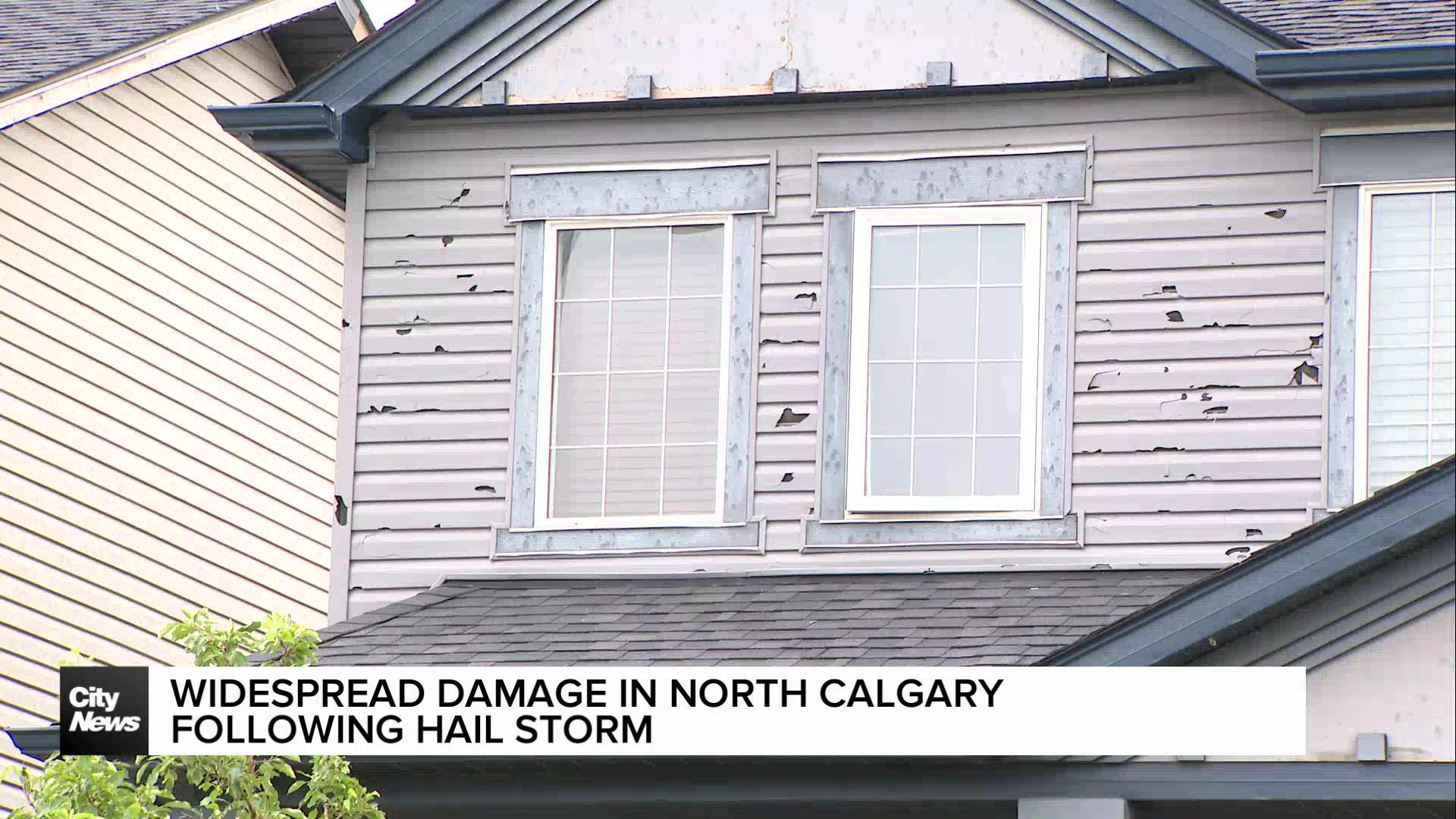
Let’s look at hail specifically. The 2024 Calgary hailstorm alone caused an staggering $3.29 billion in insured damages, marking it as one of Canada’s costliest natural disasters. Fast forward to 2025, and the July event brought high winds, heavy rain, and hail up to baseball size, damaging roofs, siding, and vehicles across the city— with 65% of claims related to cars alone. Satellite imagery even captured “hail scars” on Alberta farmland, highlighting the widespread impact. These storms aren’t just destructive; they’re frequent in “Hail Alley,” where repeated events concern insurers due to cumulative damage. Homeowners often face shattered shingles, dented gutters, and water intrusion, leading to mold and structural issues if not addressed promptly.
Flooding poses another growing threat. While major river floods like the 2013 event are less likely thanks to improved barriers (reducing overall risk by 70%), stormwater flooding from intense rains remains a problem. Saturated summers can overwhelm urban drainage, causing basement inundation in low-lying areas. Climate models predict more rainfall volumes and heavy events, which could increase flood damage fivefold without adaptations. Beyond water, Calgary deals with wind gusts over 100 km/h, extreme heat waves (projected to rise), and even wildfire smoke from nearby regions, all stressing building materials and indoor air quality.
The economic toll is significant. In 2024, severe weather across Canada racked up over $7 billion in insured losses from floods, fires, and hail. For Calgary homeowners, this means higher insurance premiums, repair costs, and potential property value dips if homes aren’t resilient. On the flip side, resilient designs can lower these risks, qualify for discounts, and even boost energy efficiency—saving on bills amid rising utility costs. As we move into 2026, with projections of intensified extremes, now is the time to act. Simple steps, like choosing the right materials, can make a big difference.

Hail-Proof Roofing: Materials and Designs That Last
The roof is your home’s first line of defense against hail, and in Calgary’s hail-prone environment, standard materials often fall short. Asphalt shingles, common in many homes, can crack or lose granules under impact, leading to leaks and premature replacement. Fortunately, advanced options are available that withstand Alberta’s cold winters and stormy summers.
Class 4 impact-resistant shingles top the list for hail resistance. Tested under UL 2218 standards, they endure simulated hail strikes from 2-inch steel balls without damage. In cold climates like Alberta, look for ones reinforced with fiberglass or organic materials to handle freeze-thaw cycles. Pros: They last 20-30 years, reduce insurance premiums by 10-20%, and cost $4-6 per square foot installed. Cons: Slightly heavier, requiring structural checks for older homes. Many brands offer warranties against hail penetration up to 2.5 inches.
Metal roofing excels in durability for cold, hail-heavy areas. Steel or aluminum panels resist denting, last 40-70 years, and reflect heat to cut cooling costs by 25%. In winter, they shed snow easily, preventing ice dams. Installation costs $8-14 per square foot, but they’re fire-resistant and recyclable—ideal for eco-conscious homeowners. For even better performance, opt for stone-coated metal, which adds a layer of protection against noise and UV rays.
Rubber or synthetic shingles, often made from recycled tires, provide flexibility that absorbs hail impacts without cracking. They’re excellent for freezing climates, expanding and contracting without damage, and can mimic slate or wood aesthetics. Lifespan: Up to 50 years at $6-10 per square foot. Concrete tiles are another solid choice, sealing tightly against hail and wind while offering thermal mass for energy savings. In cold areas, air-entrained versions prevent cracking from frost.
Design plays a crucial role too. Hip roofs with slopes on all sides deflect hail better than flat or gable styles, reducing accumulation. Steeper pitches (at least 4:12) help hail slide off. Always include a full ice-and-water shield underlayment to guard against melts and leaks. For solar-integrated roofs, panels are surprisingly resilient, often outperforming shingles in hail tests. When selecting, consider your home’s age, budget, and local codes— a professional assessment ensures compatibility.
Maintenance is key to longevity. Inspect annually for granule loss or dents, clean gutters to prevent ice buildup, and trim overhanging trees to avoid debris amplification during storms. By choosing these materials and designs, you can minimize hail damage, which affected one in five homes in the 2024 storm.
Flood-Resistant Foundations and Basement Strategies
Flooding in Calgary often stems from heavy rains rather than river overflows, making foundation and basement protections vital. Without them, water can seep in, causing structural damage, mold growth, and health issues.
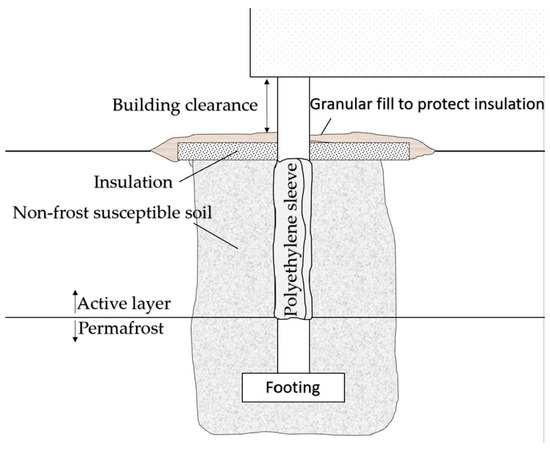
Elevated foundations are a cornerstone of resilient design. By raising the home on piers, slabs, or stilts, you keep living spaces above potential floodwaters—essential in flood-prone zones. This complies with Canadian guidelines from the National Research Council and can reduce flood risk dramatically. Pros: Provides extra storage or parking below, qualifies for insurance breaks. Cons: Adds 10-20% to construction costs, but it’s worthwhile in high-risk areas like those near the Bow River.
Site preparation is equally important. Proper grading ensures the ground slopes away from the foundation at least 6 inches over 10 feet, directing water elsewhere. Incorporate swales, French drains, or permeable surfaces like gravel to allow absorption and prevent pooling. For basements, sump pumps with battery backups are indispensable, automatically ejecting water even during outages. Backflow valves on plumbing lines stop sewer backups, a frequent issue in urban storms.
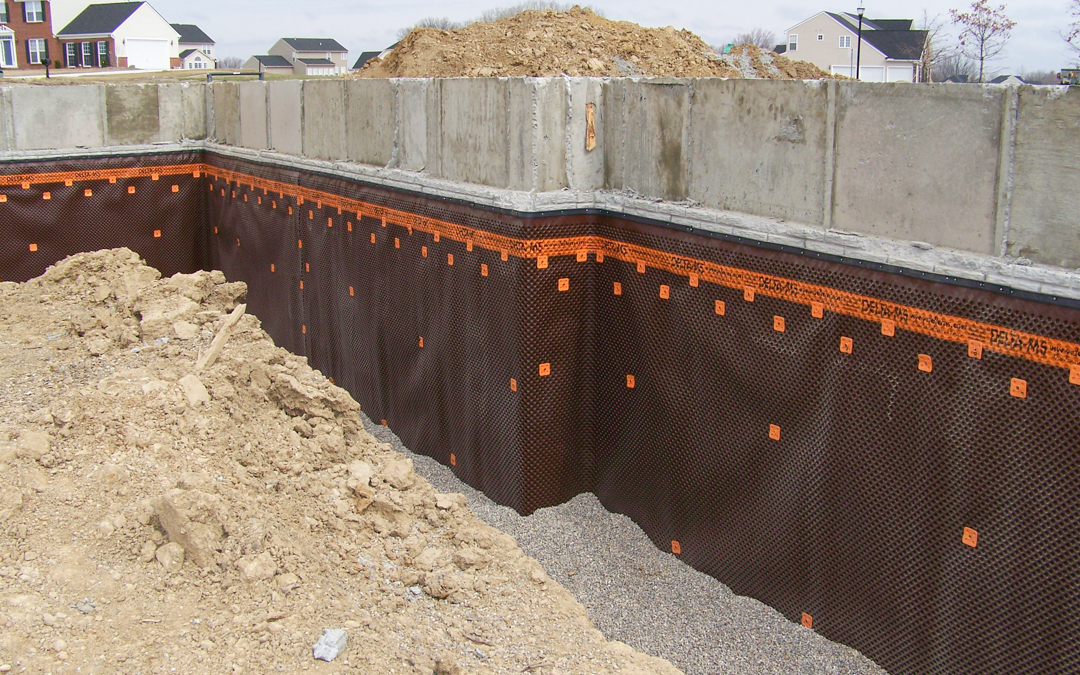
Materials enhance durability. Use concrete foundations treated for water resistance, paired with waterproof membranes like dimpled plastic sheets that create air gaps for drainage. Below grade, avoid absorbent materials; choose preservative-treated plywood or solid wood for framing, which resists decay. Mold-resistant drywall or cement board for walls, and elevated utilities (like HVAC) prevent electrical hazards.
Advanced techniques include pressure-equalized rainscreens for exterior walls, which manage moisture, and floating foundations in extreme flood zones. In new developments, follow standards like CSA’s flood-resilient community guidelines. Everyday tips: Extend downspouts 6-10 feet from the house, install rain barrels for collection, and plant native vegetation to improve soil absorption.
Regular checks—clearing drains, testing pumps, and monitoring for cracks—keep systems effective. With Calgary’s updated flood maps showing reduced river risks but ongoing stormwater threats, these strategies can slash damage by up to 90%.


Durable Siding and Windows for Wind and Hail
Exteriors bear the brunt of Calgary’s winds and hail, so selecting robust materials prevents peeling, cracking, and energy loss.
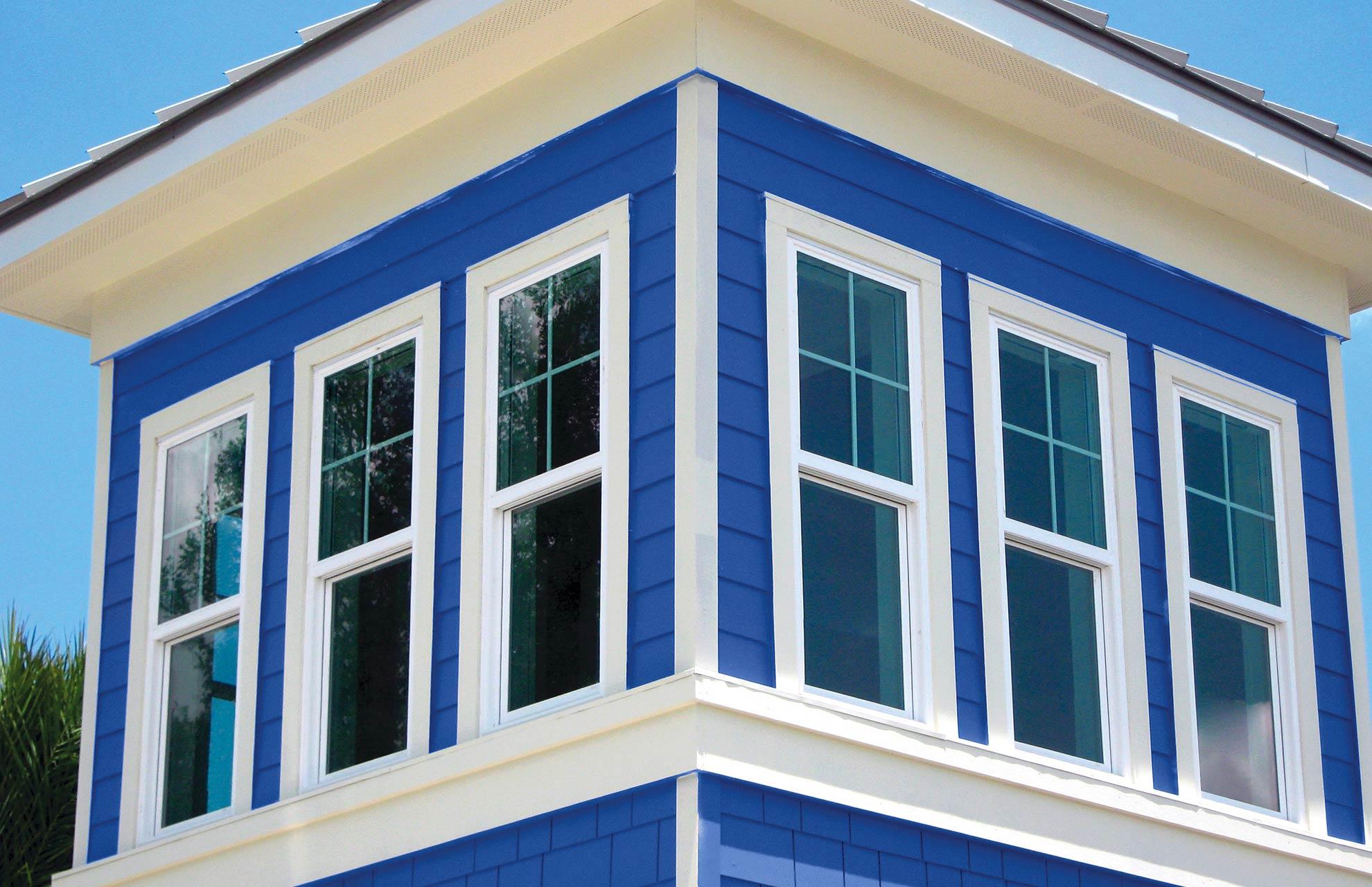
Fiber cement siding, such as James Hardie, is highly recommended for its impact resistance. It withstands hail, wind up to 240 km/h, and fire, lasting 50+ years with minimal maintenance. Costs $7-12 per square foot, and it’s paintable for customization. Brick, stone, or stucco offer similar benefits—excellent against precipitation and fire, though more expensive. Insulated vinyl adds R-value for cold winters, resisting moderate hail without denting. Avoid thin vinyl, as it cracks in extreme cold.
For windows, impact-rated options with laminated glass hold together under debris strikes, preventing shards and water entry. They also improve insulation, cutting energy bills by 10-15%. Add storm shutters or screens for extra layers. Costs: $500-1,000 per window, but rebates offset this. Seal all edges and use wind-resistant anchors to secure against gusts.
These upgrades typically add less than 5% to overall costs but save significantly on repairs, especially in wind-prone areas.
Integrating Energy Efficiency into Resilient Designs
Resilience and efficiency overlap seamlessly. Spray foam insulation in attics and walls seals gaps, boosting energy savings by 30% while adding structural strength against wind. Pair hail-proof roofs with solar panels for renewable power—they’re built tough and generate savings. In basements, efficient sump pumps and HRV systems maintain air quality.
Landscaping contributes: Native plants create windbreaks, permeable paths reduce runoff, and green roofs absorb water while insulating. These elements lower utility bills and enhance durability.
Additional Considerations: Wind, Heat, and Maintenance
Wind resilience involves anchored roofs and reinforced garages. For heat waves, cool roofs and shading trees mitigate urban heat islands. Maintenance routines—like annual inspections and gutter cleaning—extend lifespans and catch issues early.
Case Studies: Real-World Examples in Calgary
Recent pilots showcase success. Aviva Canada’s 2025 initiative funded hail-resistant features in a 24-unit affordable housing project in Chestermere and a single-family home in Belmont, using Class 4 shingles and impact siding to test against severe weather. These homes demonstrated 50% less damage in simulations. ICLR’s studies highlight “good, better, best” protections, like upgraded shingles reducing claims. Post-2013 flood retrofits in Calgary, including backflow valves, have prevented recurrent losses.
Incentives and Cost Considerations for 2026
Funding makes resilience accessible. The Canada Greener Homes Grant provides up to $5,000 for insulation, windows, heat pumps, and resiliency measures, plus $600 for audits. Calgary’s CEIP offers 10% rebates via property taxes. Alberta’s programs include up to $2,625 for flood/hail protections. Aviva’s pilots and city budgets support green builds. Costs add 5-10%, but ROI hits in 5-10 years via savings.
Building a Safer Future: Wrapping Up Resilience in Calgary
With Calgary’s evolving climate, resilient homes offer peace of mind and sustainability. From hail-proof materials to flood defenses, these strategies protect against projections of more extremes by 2030.
For expert implementation, consider local builders experienced in these techniques. Good Earth Builders, with over 23 years in Calgary, excels in sustainable, resilient projects like custom homes and multi-family developments. Having completed 846 projects and committed to planting 10 trees per job, they integrate energy-efficient, weather-resistant designs seamlessly. Reach out for a consultation to fortify your home.